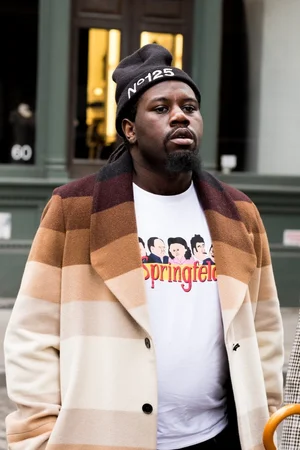
Kelvin Davis on Masculinity, Reinvention, and the Power of Self-Love
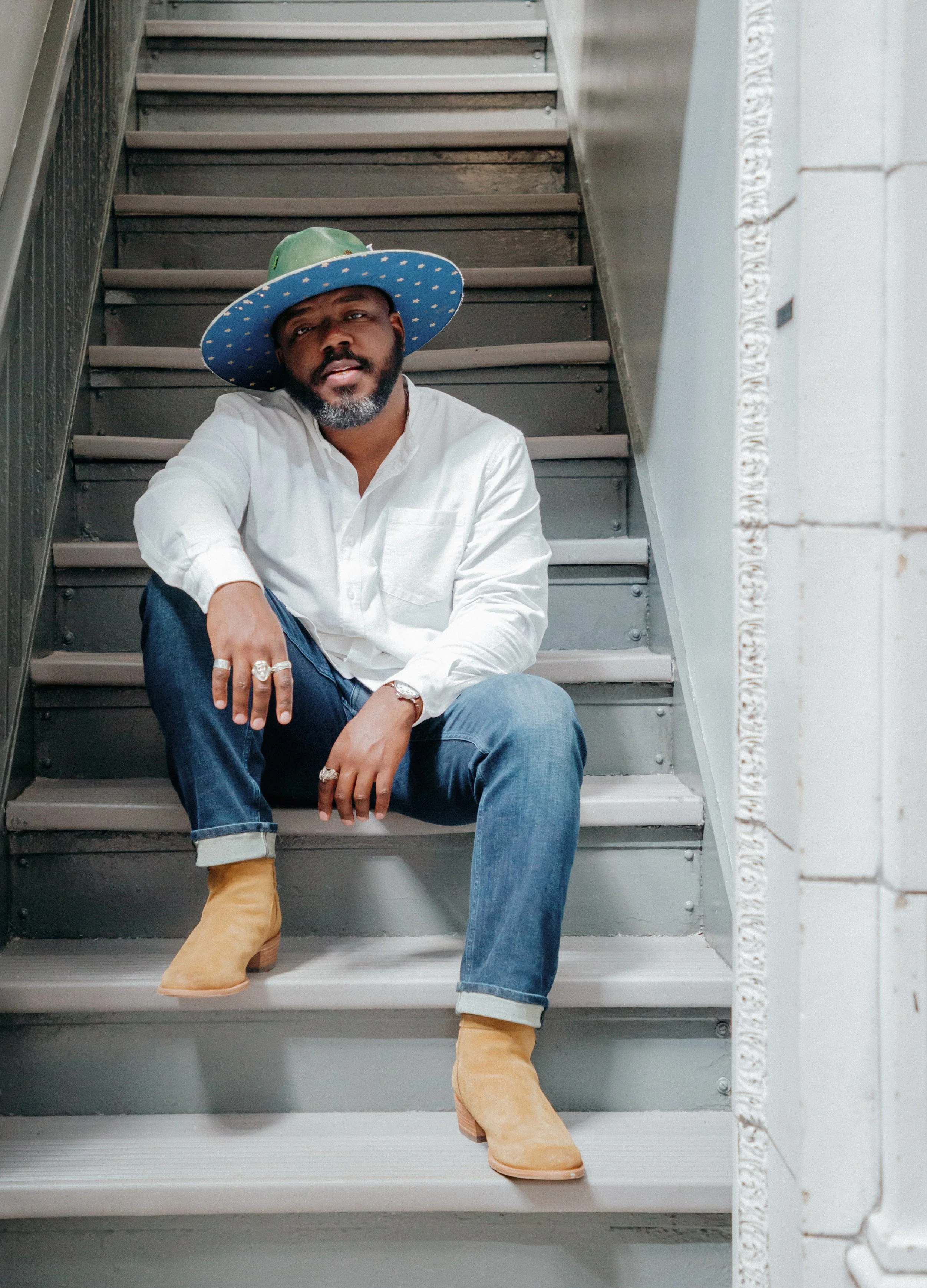
In a culture still redefining what manhood means, Kelvin Davis stands at the forefront—blending confidence, vulnerability, and unapologetic self-expression. As he prepares to release his highly anticipated 2026 book, Be a Good Man, Not a Nice Guy: A Guide to True Masculinity, Davis opens up about masculinity, reinvention, and why self-love remains his most radical act.
Interview: Nigel Isaiah
KM: In your new book, Be a Good Man, Not a Nice Guy: A Guide to True Masculinity, you distinguish between being “nice” and being “good.” What was the moment in your life when you realized that being agreeable or people-pleasing was holding you back, and how did that insight evolve into the message of this book?
KD: I would have to say that realization came during my divorce in 2021. That was the wake-up call. When you go through something like that—litigation, finances, custody, all of it—it forces you to sit with yourself. It was my first time living alone at 33, and I had to confront who I really was as a man. I started recognizing patterns and understanding why certain things hadn’t gone the way I wanted. I realized I’d been playing the “nice guy” role my entire life—always agreeable, always trying to be liked instead of respected—and it kept me from reaching my full potential. That’s when it hit me: I needed to transition from being a nice guy to being a good man, because the nice-guy approach just wasn’t working.
KM: If I’m correct, you recently shared on Instagram that you’re stepping away from modeling. As one of the first Black big-and-tall male models, you’ve broken incredible barriers in the industry. Can you talk about that career shift and what’s behind it?
KD: Modeling was a lifelong dream for me. When I was about 10, I saw a picture of Tyson Beckford—he was the first dark-skinned male model I’d ever seen—and I knew instantly that I wanted to do what he was doing. Later in life, when I finally got the chance, I checked every box I’d hoped to in the fashion world. I’m not stepping away forever, but I am stepping away from just being a face. I don’t want to be the token big-and-tall Black guy in a campaign. If a brand wants to work with me, I want them to use my voice, my personality, my book—my full identity. I don’t want to only smile for the camera anymore. I want to contribute something bigger.
KM: A disclaimer for readers: I met you back in 2015–2016 during New York Men’s Fashion Week under your original brand name, Notoriously Dapper. Since then, you’ve rebranded under your own name, Kelvin Davis. What inspired the transition, and were there any challenges shifting from an established name to a new one?
KD: The biggest reason was simple: people were calling me “Notoriously Dapper” like it was my government name. I’d meet someone and they’d ask, “So your name is Dapper?” And I’d be like, “No—that’s my stage name.” Over time, I realized I actually love my real name, and I wanted to embrace it publicly. The first year was a little confusing for people—especially on social media—but in real life, the shift felt natural. Eventually people understood: Kelvin Davis is Notoriously Dapper, and Notoriously Dapper is Kelvin Davis.
KM: Body positivity for men—especially Black men—is still rarely discussed. How do you see the intersection of race, body image, and masculinity in relation to how society defines what a Black man “should” look like?
KD: I’ve talked about this a lot because body positivity absolutely looks different depending on your race and gender. For Black men, there’s a very narrow idea of what Black masculinity should look like—usually based on athletes or celebrities who all have a certain build. So when a real Black man doesn’t look like that shows up, people have these warped assumptions about who he is. Not everybody is going to be in the NBA or the NFL player. There’s excellence in every corner of Blackness—Black authors, Black creatives, Black plant dads, Black everything. And body positivity has to include all of us: fat, thin, trans, muscular, soft—everybody. You can’t call it body positivity if it only uplifts one body type.
KM: In the book, you share actionable tools for setting boundaries and building emotional strength. Did you face any challenges incorporating those tools into your own life?
KD: Absolutely. My biggest struggle was empathy. I didn’t realize it until I started therapy in 2022. I used to think empathy meant feeling bad for someone, but it’s really about understanding and relating to what they’re going through. Before therapy, I was the “suck it up and keep going” type. But going through my divorce—financially unstable, physically out of shape, emotionally drained—showed me how harmful that mindset can be. If someone had told me to just “pick myself up,” it would’ve crushed me. Learning empathy shifted everything for me. And I think that’s something a lot of Black men learn when they finally allow themselves to go to therapy.
KM: Your first book, Notoriously Dapper: How to Be a Modern Gentleman with Manners, Style and Body Confidence, focused on style, etiquette, and confidence. Is Be a Good Man, Not a Nice Guy a continuation of that work, or a departure from it?
KD: It’s definitely a departure. Notoriously Dapper was very tied to its time—I was still a middle-school art educator, teaching young men how to dress for interviews, weddings, and other formal occasions. But over the last five years, I’ve met more true gentlemen in sweat suits and work boots than men in tailored suits. The suits don’t make the man. Some of the worst behavior in society comes from men in three-piece suits writing terrible laws and controlling systems. So this new book focuses on what’s inside the man. Less about presentation, more about character.
KM: As men today, many of us are redefining masculinity for ourselves while navigating society’s expectations. How has your definition of masculinity evolved over the years?
KD: I grew up with a dad who taught me that masculinity includes emotion. Men cry. Men feel. Men get frustrated. But he also taught me that there’s a time and place for everything—there’s a level of stoicism that keeps you safe and grounded in public spaces. When I got to high school, society’s version of masculinity overpowered what my dad taught me. Suddenly I was hearing “boys don’t cry,” “don’t be soft,” “always be the alpha.” It was exhausting. I kept thinking, “Do y’all even have fun?”
As I got older, especially into my 30s, I circled back to what I was raised with. Now I’m raising daughters, and I want them to see that men smile, men laugh, men have joy. That’s why I loved the rise of Black Boy Joy—it reminded us that happiness is not weakness. It’s human.
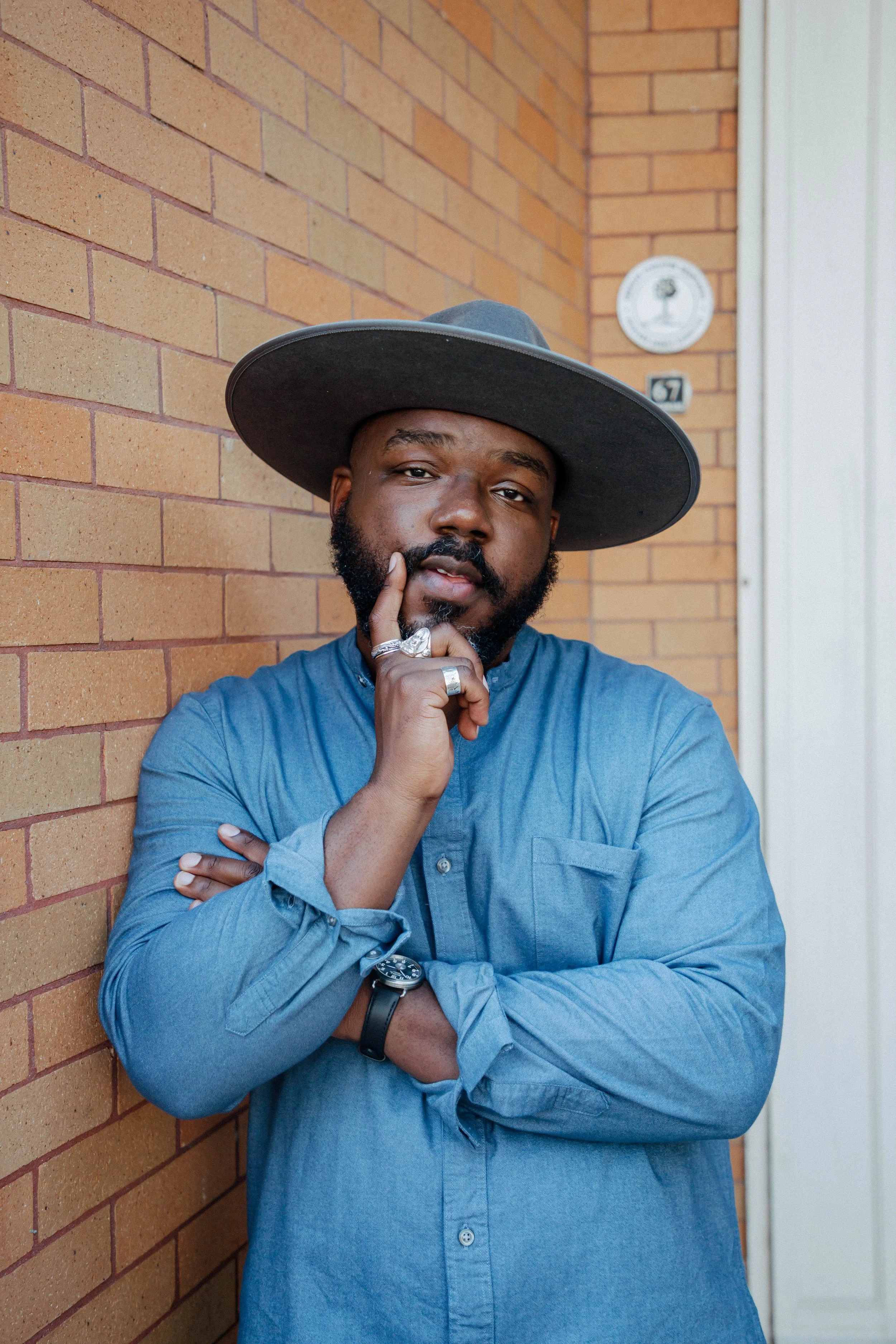
KM: You’ve now written two books and become a defining voice in men’s fashion and body positivity. What legacy do you hope to leave for men interacting with your work—and for the broader conversation around masculinity and self-love?
KD: This may sound cliché, but I want people to know that you can actually live your dreams. I never imagined that a 5’10”, balding Black guy from Columbia, South Carolina, would model for Target or Gap, or attend New York Men’s Fashion Week. Those dreams felt impossible where I’m from. But I was consistent, and I put myself out there. I want young Black boys—anywhere—to know that they can do the same thing.
And beyond that, I want to leave behind the truth that masculinity is fluid. It can be whatever you need it to be, as long as it isn’t harming others. Masculinity is a positive force when used the right way. People don’t complain about “too much masculinity” when a group of firemen kicks down a burning door to save a family. Masculinity can protect, uplift, nurture, create change. It’s all about how we choose to use it.