Success doesn't always arrive with clarity.
For Archie Clay III, the journey to Brain Love began not with a business plan, but with a personal reset. After helping build a successful fashion brand, Clay found himself navigating uncertainty and the difficult questions that surface when one chapter ends and another hasn't yet begun. What emerged from that season wasn't simply another clothing label—it was Brain Love, a purpose-driven brand built at the intersection of mental wellness, personal growth, and accessible luxury.
A new chapter!
Now carried by Bloomingdale's and supported organically by everyone from athletes to entertainers, Brain Love has become more than apparel. It's a daily reminder that evolution is less about perfection and more about showing up, doing the work, and trusting the process. In conversation with Kolor, Clay opens up about faith, entrepreneurship, mental health, and why the most important battle we'll ever face is the one within our own minds.
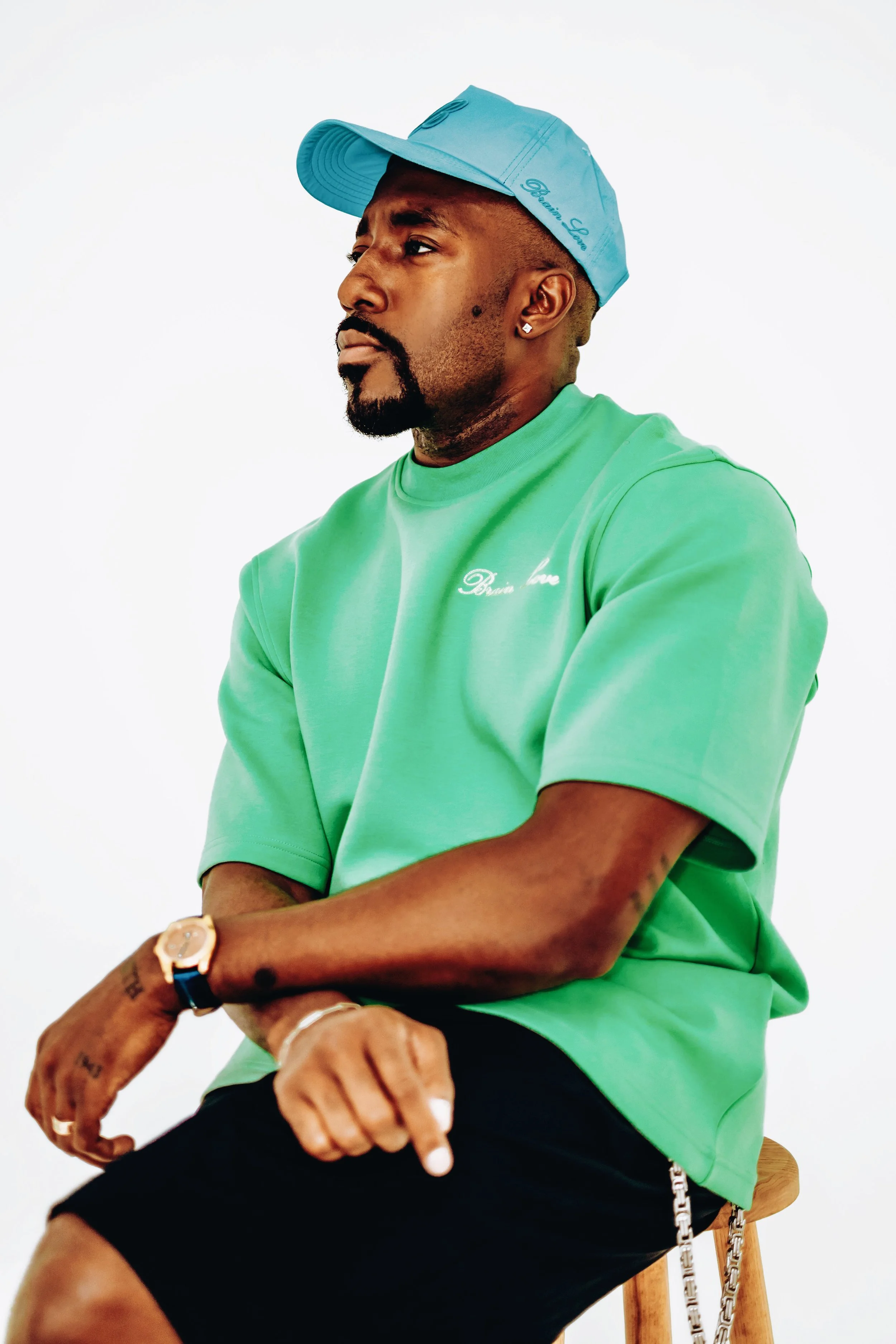
KOLOR: You describe Brain Love as intentional fashion that strengthens the mind and uplifts the human spirit. What came first for you—the brand or the lifestyle philosophy?
ARCHIE CLAY III: The lifestyle philosophy came first.
To give you some context, the idea came during a transitional period after leaving my previous company. That experience put me in a space of depression, sadness, and uncertainty. I didn't know what was next for me, my career, or my journey.
I had to take a step back and really focus on my faith. I needed to recalibrate my perspective and how I viewed the world. During that process, it became important for me to create something that made a genuine impact. Of course, every business needs to make money, but I wanted to build something that was rooted in purpose and gave back to the community.
That mindset became the foundation of Brain Love. Before there was a product, there was a mission.
KOLOR: You mentioned going through a reset. Having already co-founded a successful brand, how difficult was it to start over instead of simply pushing through? Was there ever a moment where you questioned whether you wanted to continue as an entrepreneur?
ARCHIE CLAY III: Absolutely.
The hardest part wasn't creating Brain Love—it was everything that came before it. The real battle was asking myself, Can I do this again? Not specifically Brain Love, but entrepreneurship in general.
I had to ask myself whether I should go back to corporate America or continue building something of my own. That was the challenge. It was about rediscovering who I was and whether I truly had what it took to build another successful company.
Ironically, once I reached the point of creating Brain Love, the brand came together very quickly. That's how I knew God was behind it. The concept, the mission, the direction—it all came together in about two months.
The challenges came later. Even with success, you naturally want more. You want to grow faster. You want to reach bigger goals. But I've learned that's part of the journey.
One of the biggest lessons I try to share with our community is that once you discover your purpose, the battle shifts to your mind. We're human. We always want more. We always want to improve. The question becomes: How do you become mentally better, not just financially or physically better?
For me, the hardest part was recalibrating my mind before I ever launched the brand.
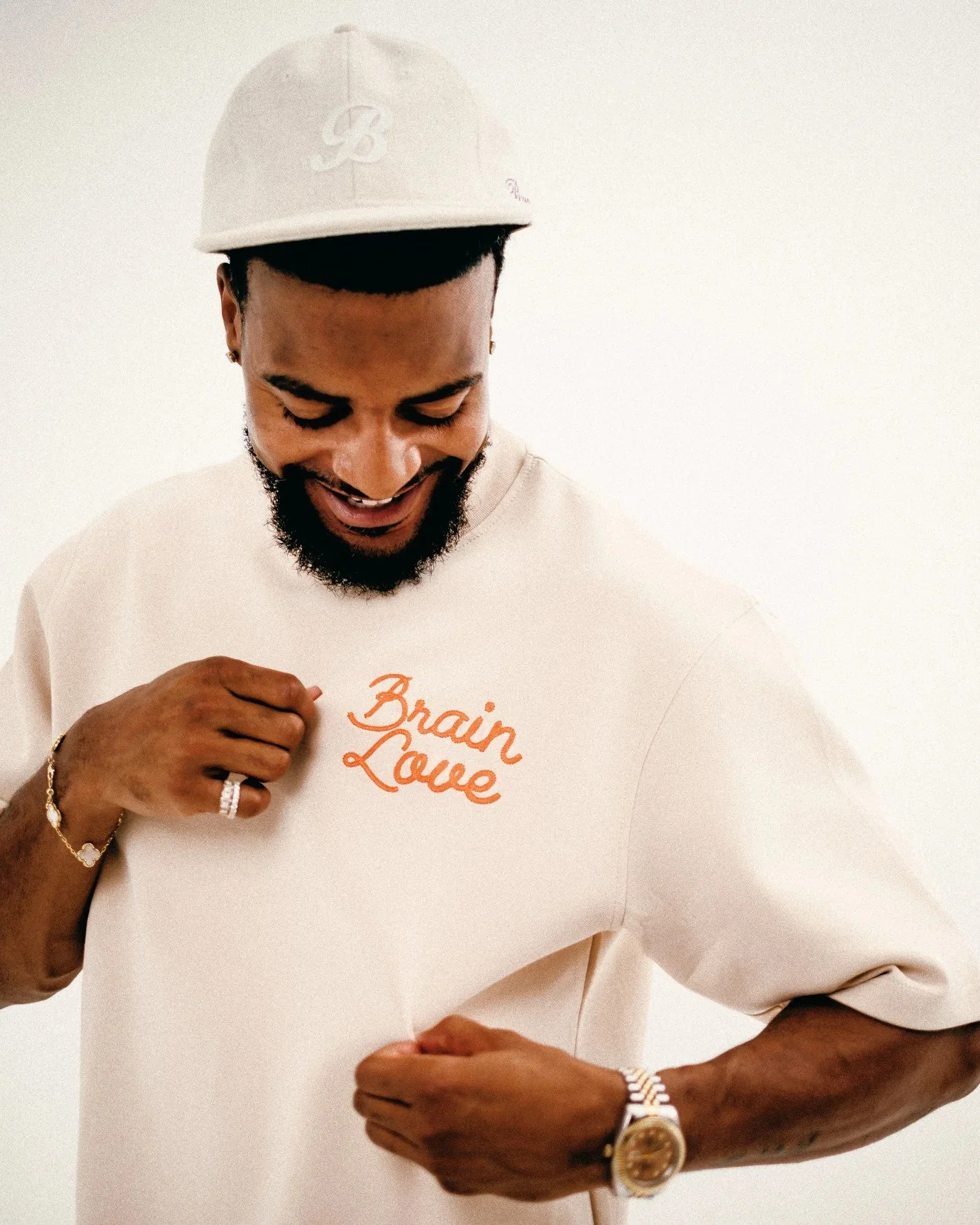
KOLOR: As both a designer and a consumer, what do you think people are looking for right now when they're shopping?
ARCHIE CLAY III: I think people are looking to connect.
People want quality, and they're becoming much more intentional about where they spend their money. But beyond the product itself, they want to support brands that genuinely care about them.
At Brain Love, we don't consider ourselves a traditional luxury brand. We see ourselves as accessible luxury. We're serving the everyday consumer—people who are mindful of their spending but also want to align with brands that reflect their values.
Our customers know we care. They know we're on this journey with them. The product quality has to be there—that's a given. We take pride in creating exceptional garments. But the bigger question for us is: How do we continue pouring back into our community and our customers?
Consumers are paying attention to that now more than ever. You see it across industries. Whether it's food, wellness, or fashion, people want brands that contribute something meaningful to their lives.
Mental wellness isn't something that only matters when life gets difficult. It's something we all navigate every day. Challenges are part of life, and learning how to manage them is part of maintaining mental health.
That's why our message resonates. We're speaking to something people experience daily.
KOLOR: Brain Love is now available in Bloomingdale's locations in Atlanta and Northern Virginia, and has expanded onto Bloomingdales.com. Does that feel like a milestone? And was entering traditional luxury retail always part of the vision?
ARCHIE CLAY III: It's definitely a milestone.
People often say brands should only sell through their own websites, but they don't always understand what it takes to acquire customers at scale. If nobody knows your brand exists, how are they going to find your website?
For us, Bloomingdale's has been an incredible partner because it provides credibility and visibility. In many ways, it's our billboard.
When a retailer like Bloomingdale's chooses to carry your brand, they're essentially telling consumers that they believe in your product, your business, and your ability to deliver a quality experience.
Of course, you make a higher margin selling directly to consumers, but scaling a business requires strategy. Retail has allowed us to put our product in front of people who want to touch it, feel it, and experience it firsthand.
We launched this strategy in Atlanta. We replicated it in Washington, D.C. Now we're preparing for Los Angeles. Every market introduces us to new customers, and those customers eventually make their way back to our website organically.
Retail works for us because it helps us meet customers where they are. That's what good business is about.
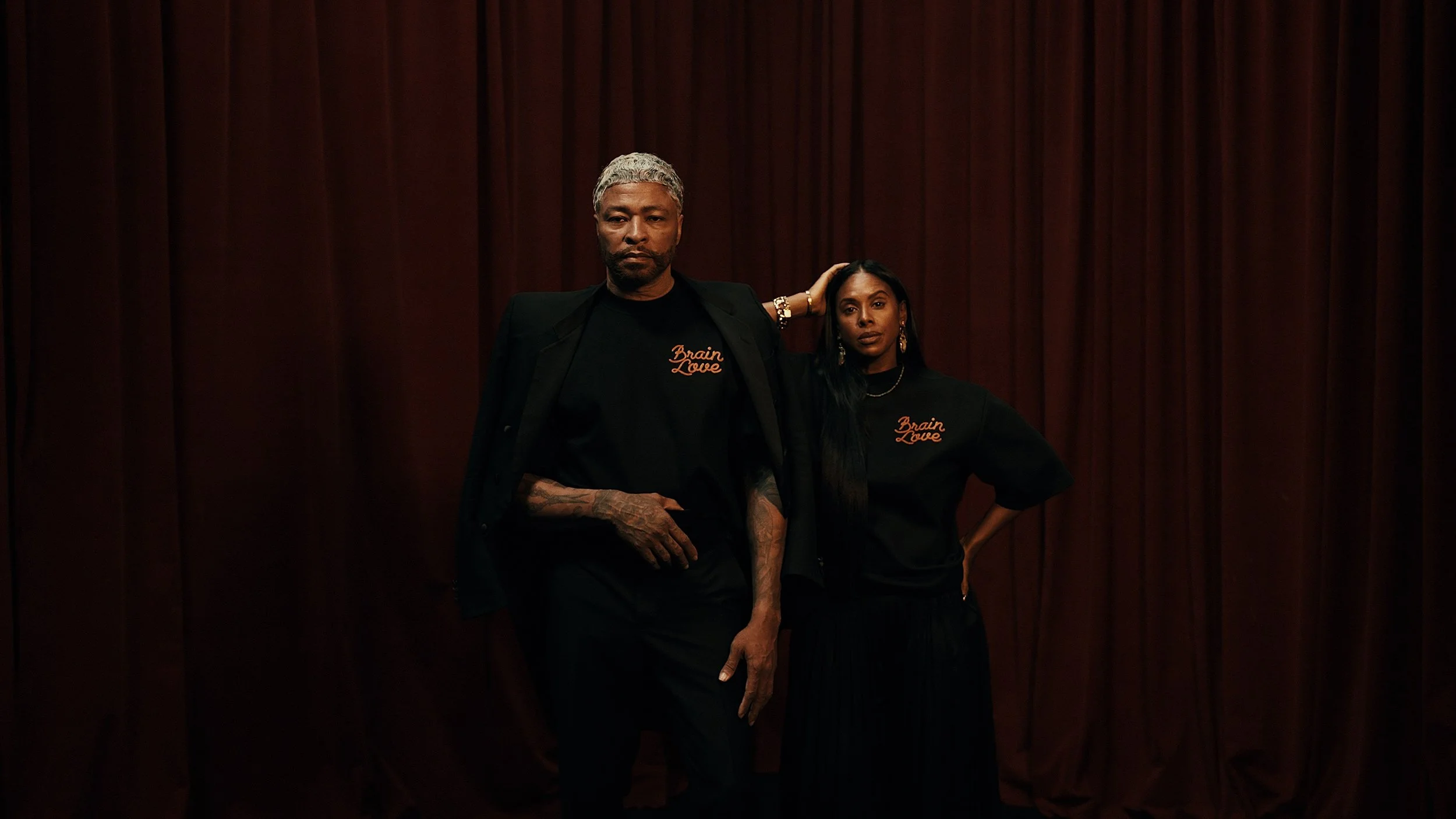
KOLOR: Fashion often sells aspiration. Many luxury brands create an image people admire, but may never realistically be able to buy into. How important was accessibility when building Brain Love?
ARCHIE CLAY III: Accessibility was very important, but it's also one of the biggest challenges.
We have celebrities, influencers, and everyday people wearing the brand. A lot of them tell us, "You should be charging $500 for this shirt." While that's a compliment, it also highlights something we've been thinking about from the beginning.
Historically, luxury has been defined by industries and institutions that weren't created by us. Those standards shaped what people believe luxury should look like.
We want to challenge that.
Now, accessibility is relative. A $125 shirt isn't affordable for everyone. I understand that. But there's a significant difference between a $125 shirt and a $600 or $1,000 shirt.
Our goal is to deliver luxury-level quality without forcing customers to pay luxury-level markups. We believe you can create a product that's equal to—or better than—what some of the biggest luxury houses are producing while remaining more attainable.
We're not interested in compromising quality. We want the best fabrics, the best fit, and the best product possible. But we also want customers to receive value beyond the garment itself.
We're giving them something emotional and spiritual. We're constantly pouring back into them through the message of the brand.
At the end of the day, we're disruptors. We're going against the grain. We like to say we want to be the cool version of Patagonia—premium, respected, and accessible to a much wider audience than traditional luxury.
That's where we see our lane. Right in the middle. A place where the product, the purpose, and the people can all coexist.