Hymn Marley on Legacy, Mental Health & Musical Freedom Beyond Reggae
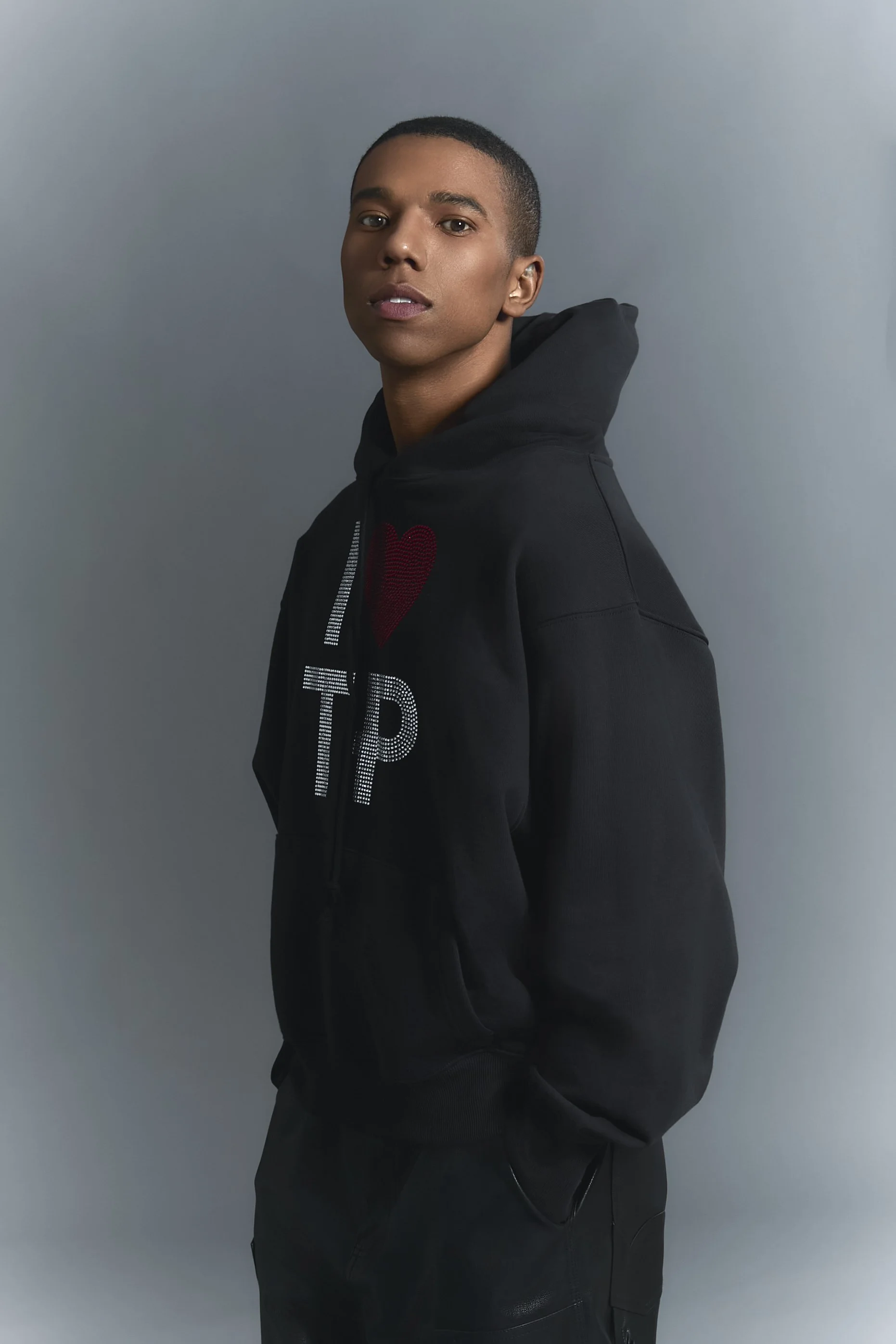
Hoodie THEOPHILIO Shorts HVMAN
Carrying the Marley name is both a privilege and a responsibility—but for Hymn Marley, it’s not a limitation. Instead, it’s a foundation to build something entirely his own. In this intimate conversation with Kolor Magazine, Hymn opens up about stepping beyond expectations, embracing vulnerability in his music, and why mental health is central to both his life and artistry. From the emotional depth behind “Last Dance” to redefining what it means to stay “above water,” Hymn is shaping a legacy rooted in truth, healing, and evolution.
Creative Direction & Styling - Mykel C.Smith
Photography - Soumitri Vadali
Interview - Nigel Isaiah
Grooming - Caldwell
Assistant to Photographer - Alan Guallpa
Management - Alfredo Peralta
Studio - EZ Studios
Kolor Magazine: You come from one of the most iconic musical families in history. How do you define your identity as an artist outside of that legacy?
Hymn Marley: To be honest, we’ve been very fortunate. My parents never pushed me—or any of us—to be a certain thing. There was never that pressure to fit into one lane. Because of that, I’ve been able to develop my own identity without someone trying to mold me.
That freedom allowed me to really explore what I like, experiment without filters, and grow into my own sound. That’s one of the best things about my family—we all take what influences us and make it our own.
Kolor Magazine: You mentioned that freedom and also not wanting to fit a stereotypical “Marley sound.” What does creative freedom look like for you right now—and what challenges come with it?
Hymn Marley: My sound doesn’t necessarily align with what people expect when they hear “Marley.” A lot of people think reggae immediately. So sometimes there’s a moment where listeners have to adjust when they hear my music.
But once they do, they usually connect with it.
If you listen across my family, you can hear different influences—hip-hop, rock, reggae. My grandfather had strong rock elements in his music. For me, I moved to America young, so you hear more pop influence in what I do.
At the end of the day, none of us are trying to sound like anyone else. We take what we hear, make it personal, and use it to tell our stories.
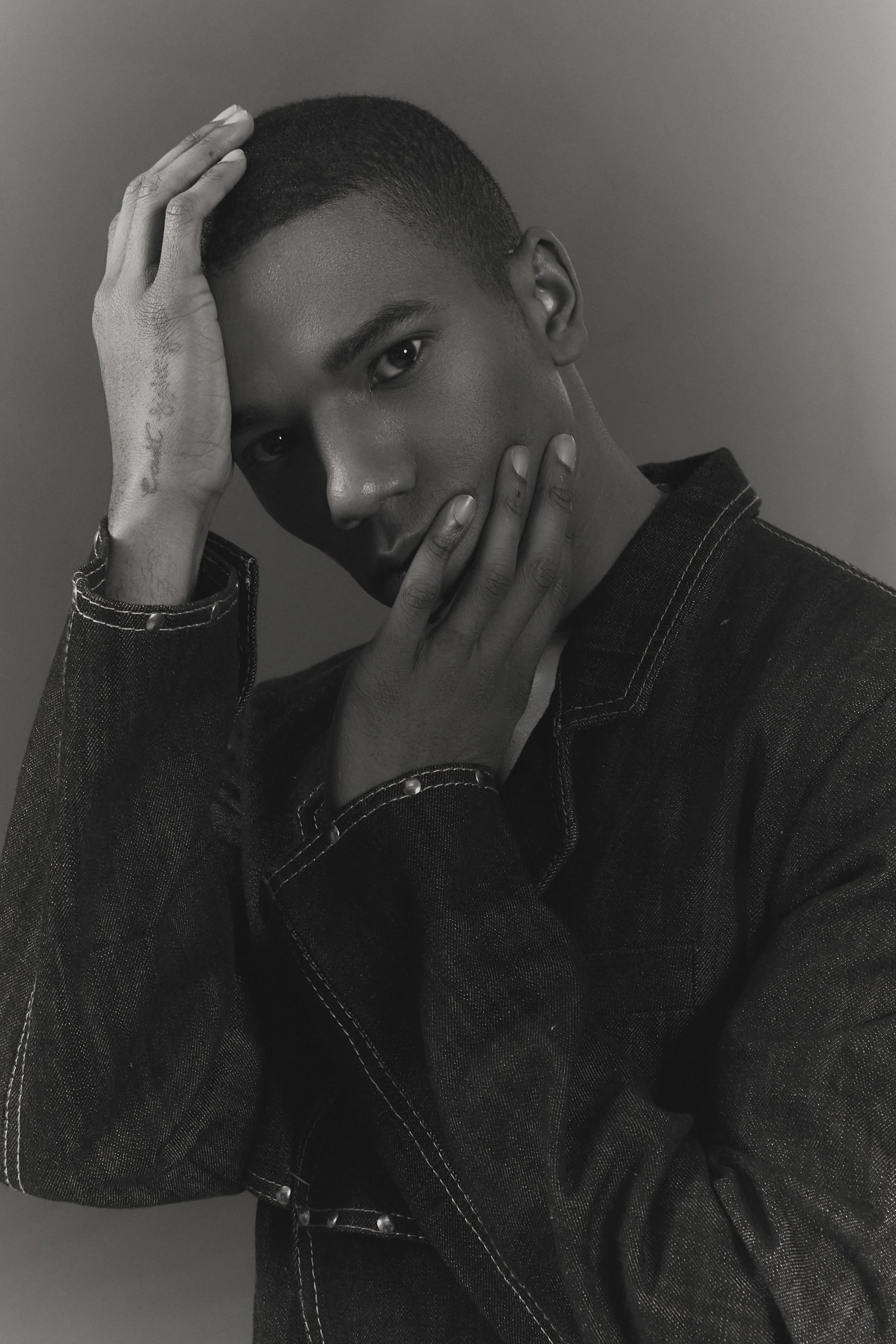
Shirt LARUICCI
Kolor Magazine: What would you say is your strongest tool as a songwriter?
Hymn Marley: The truth. My truth.
Everything I write comes from real experiences. For example, my song “Last Dance” started as a conversation with my mom. We were talking about how the people you surround yourself with often reflect how you feel inside.
That turned into a deeper idea—how sometimes you outgrow people or relationships. That whole conversation eventually became the song.
Kolor Magazine: Your music—especially tracks like “Since You’ve Been Gone”—feels very vulnerable. How important is that emotional honesty to you?
Hymn Marley: It’s everything. I think that’s why my family’s music has had longevity—we’ve always been authentic and vulnerable.
That’s the example I had growing up. So when I tell my stories, I try to be as real as possible.
Kolor Magazine: You’ve been traveling and performing a lot. Where do you feel most at home—on stage or in the studio?
Hymn Marley: They’re two completely different spaces for me.
In the studio, I’m intentional. I’m telling a story, so I have to be very precise with my words and emotions.
On stage, I’m free. I still tap into vulnerability, but it’s more about energy and connection. You’re controlling the vibe, feeding off the crowd—it’s a different kind of expression.
I don’t really have a preference. Both are essential parts of who I am as an artist.

Shirt THEOPHILIO Suit CATOU WEAR Boots FLORSHEIM Fingerlings & Leather Fingerings LARUICCI Mic & Stand GUITAR CENTER
Kolor Magazine: You once shared a note you wrote to yourself when you were younger: “Don’t let the weight wear you down.” What does being “above water” look like for you today?
Hymn Marley: I think a lot of times we overcompromise ourselves—our feelings, our identity—whether it’s for survival or to fit in.
For me, being above water means knowing when to say yes, when to say no, and giving myself grace in the moments where I don’t have it all figured out.
I used to be really hard on myself, trying to be perfect or fit into other people’s expectations. Now, it’s about being authentic to what I’m going through.
At the end of the day, it comes down to balance—between giving and receiving, between yourself and others.
Kolor Magazine: What legacy do you hope to add to your family’s already powerful impact?
Hymn Marley: My family’s message has always been about love. For me, it’s about healing.
I believe you can’t save the world if you can’t save yourself. So the legacy I want to leave is helping people face their mental health and deal with things at the root.
My music isn’t about staying in sadness—it’s about growth. Even in songs about heartbreak, it’s really about moving forward, healing, and becoming whole again.
I want people to feel like they’re not alone.
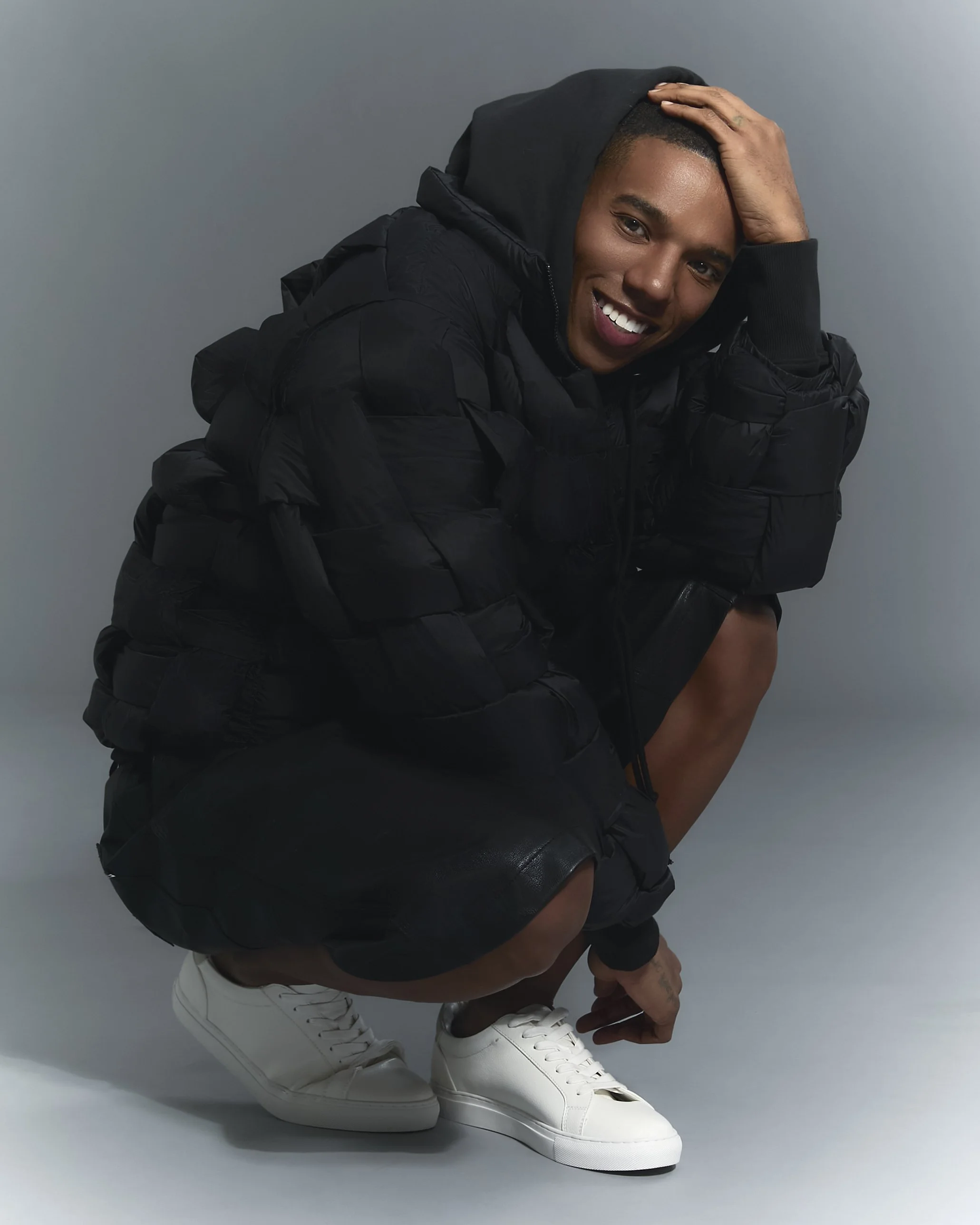
Jacket & Shorts HVMAN Sneakers POLO RALPH LAUREN
Kolor Magazine: Mental health has come up a lot in this conversation. How important has that journey been for you personally?
Hymn Marley: It’s everything. It drives me.
I reached a point where I was tired of being tired—tired of carrying old versions of myself. Now, I’m more aware of my triggers and where they come from. Sometimes you’re reacting as your younger self, not who you are today.
It’s about recognizing that, giving yourself grace, and continuing to grow.
I can’t become who I’m meant to be without taking care of my mental health first.
Kolor Magazine: For someone who wants to start doing that inner work, what advice would you give them?
Hymn Marley: You have to be ready. That’s the first step.
But once you are, I always recommend starting with therapy—especially a trauma specialist. A lot of people think trauma has to be something extreme, but it can be small experiences from childhood that still affect you today.
Those deeper layers matter.
It’s a process. I’ve been doing it for years, and I’m still learning every day—showing up for myself more and giving myself more grace.