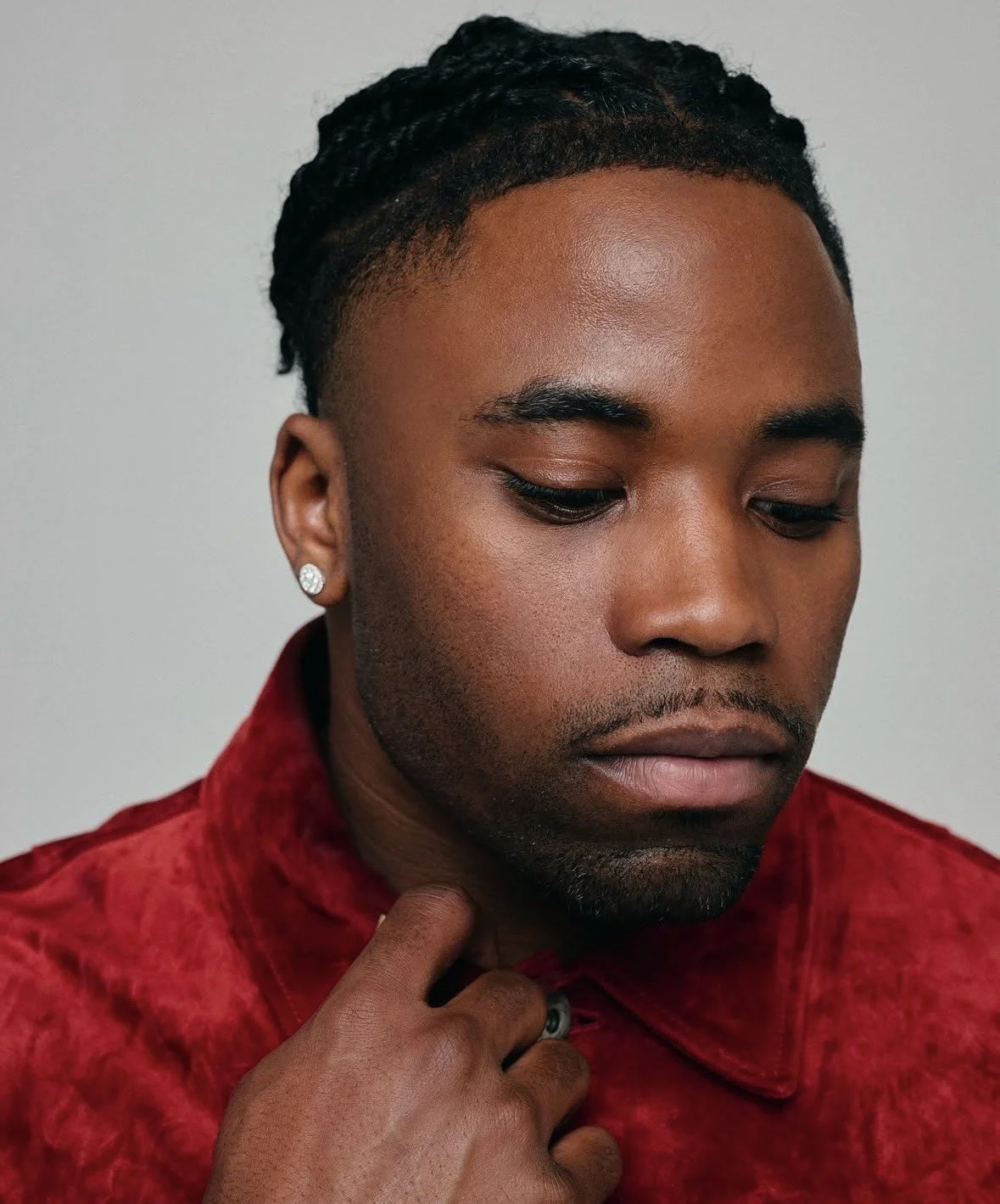
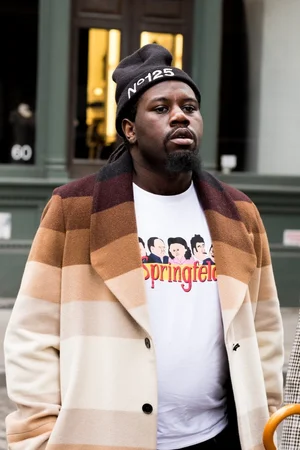
Kenny Moore II on Earning His Place, Leading with Purpose, and Why Community Comes First
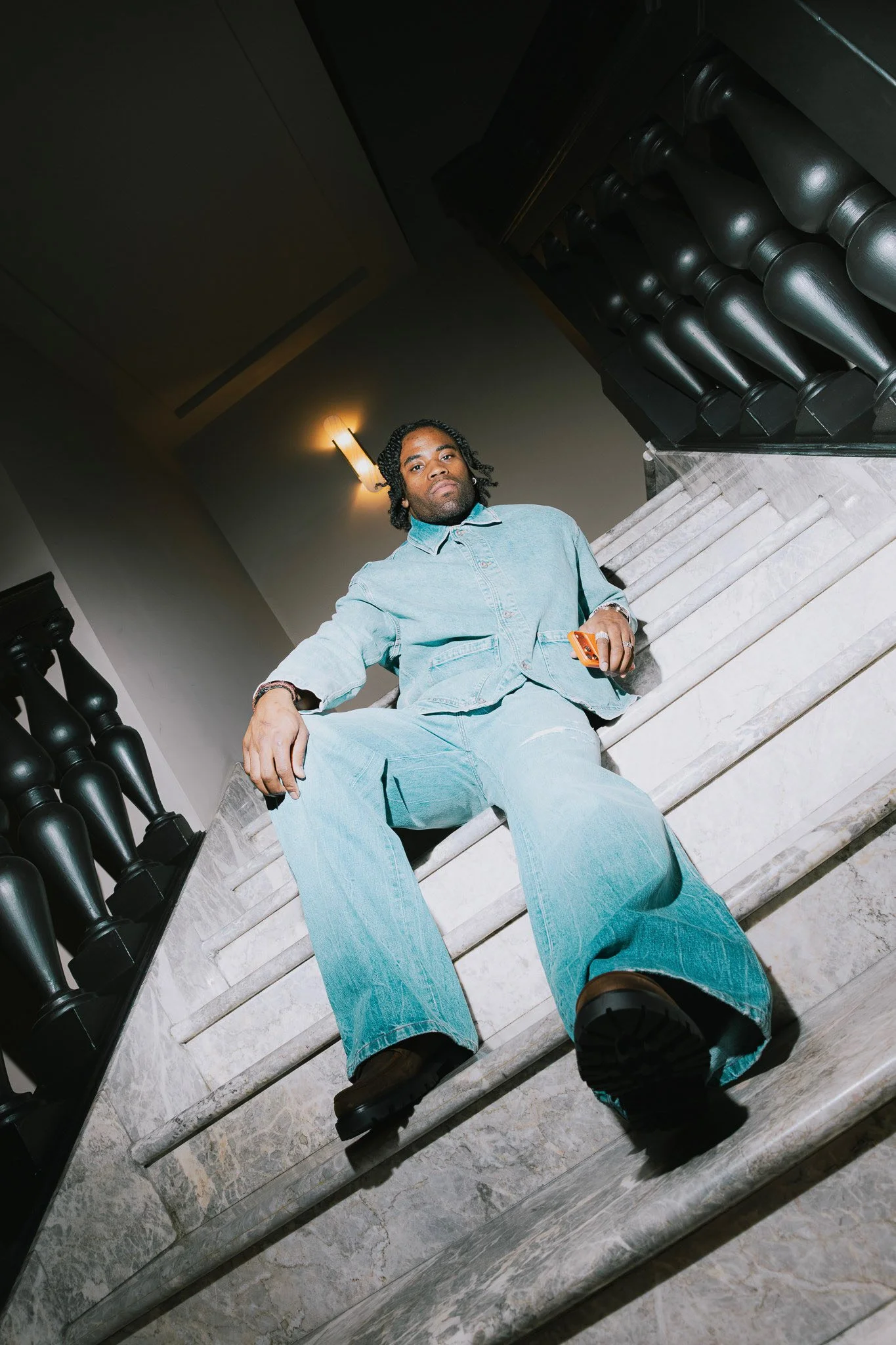
Entering his 10th NFL season, Kenny Moore II has built a career defined by persistence. Undrafted and undersized by league standards, he carved out his place through discipline, instinct, and faith. But football, as he tells it, is only part of the story. From leadership in the locker room to his growing presence in fashion and the work of his Love OneFoundation, Moore is equally committed to making an impact off the field. For him, success isn’t measured solely in interceptions or accolades—it’s defined by growth, service, and supporting his community along the way.
Interview: Nigel Isaiah
Photography: Leonardo Osayi Passera and Graham Nguyen
Special Thanks: Spicer PR
KM: You came into the league undrafted in 2017 and built a long, respected NFL career. When you look back, what did you understand early about surviving—and thriving—in this league that maybe others didn’t?
Kenny Moore II: That’s a loaded question—but a great one. Being undrafted is one thing. Being undersized or not the typical cookie-cutter defensive back is another layer on top of that. So for me, I had to really embrace who I represent. I represent small-school guys. I represent smaller-stature guys.
As far as survival, you learn very quickly what hard work really means. I had to fight harder than the regular guy just to earn a position—and it’s harder to stay in this league than it is to get in. I’m going into my 10th year, and it’s still a fight. You always have to prove yourself. You never really “make it.”
People might say, “Ten years? That’s amazing.” And I appreciate that—it’s respected by people who know the story. But I’ve never felt like I’ve arrived. While I’m in the league, I’m continuing to work. I’m always trying to get better, always figuring out how to play at a high level.
When you’re undrafted, you have to create strengths. You have to pop on tape. When you’re stacking up against first-rounders with height and measurables, you’ve got to prove it in different ways. And you’ve got to keep doing it over and over again.
KM: You mentioned not feeling like you’ve “made it,” but you’re entering your 10th season. At this stage, what does “making it” even look like for you?
Kenny Moore II: I play in a small market, so it’s more organic for me. It’s not a huge spotlight, not a ton of cameras. Don’t get me wrong—there are appearances and events and that fast life if you want it—but my day-to-day bubble is very genuine.
I can’t speak for someone playing in New York or L.A. That’s a different pace. For me, I don’t even know if “making it” is something I’m chasing. I’m good with how it is. I don’t want to feel like I’ve figured it out. I just want to keep growing and stay steady.
Fame wouldn’t be something I’d ask for. I’d rather work than feel like I’ve arrived—any day.
KM: When you look at your career statistically, what numbers mean the most to you?
Kenny Moore II: Interceptions. Picks over anything.
Growing up, I didn’t even start playing until my senior year of high school. But being able to change a game with an interception—that’s powerful. To be in the 20-pick club? A lot of guys don’t have 10. A lot of guys can’t catch on defense.
What I value about my game is turning the ball over. That’s fun. That’s camaraderie. That’s the entertainment part of football. That’s what makes it fun for me.
KM: As a veteran, how has your leadership style evolved while mentoring younger players?
Kenny Moore II: It comes down to understanding and empathy. Being socially aware—not just of myself and how I want to be coached—but of the locker room.
You’re dealing with different personalities, play styles, and backgrounds. Everybody handles adversity differently—criticism, social media, depression, and obstacles. So you have to approach people differently.
When I was younger, I was just worried about myself and doing my job. Once you become a captain, once you’ve logged the snaps and earned that value, you realize leadership is about connection.
My definition of success is going somewhere you want to go and helping somebody up along the way—then teaching them to help somebody else. During the season, you’re together seven months straight. That camaraderie matters.
I’ve been fortunate to be around great leaders—guys like Tom Brady, Julian Edelman, Danny Amendola, and the McCourty twins. And in Indianapolis, Andrew Luck set a tone with team gatherings and family culture. I saw that and valued it.
Now I host team events. I help organize speakers. I try to create that environment because winning takes real connection. You have to know how to speak to people based on who they are.
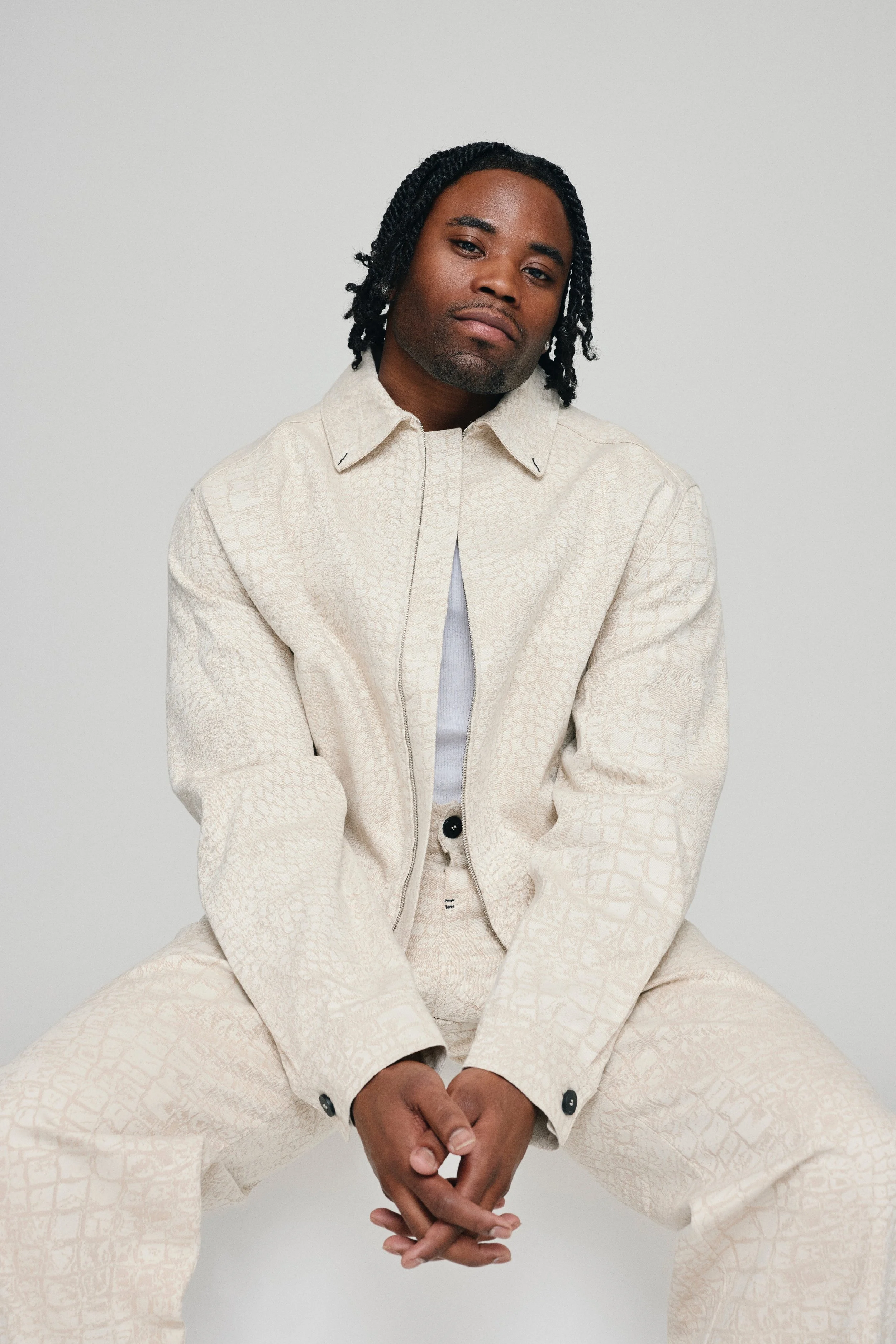
KM: You’ve expanded into fashion—attending Milan Fashion Week and Grammy Week in Los Angeles. What drew you to those spaces?
Kenny Moore II: My team pushed me out of my comfort zone. My rep and I have known each other for years, and he encouraged me to step into those spaces.
Presentation has always mattered to me. That’s something I got from my parents growing up. I’ve always liked nice pieces and seeing how designers express their brands.
This has been my favorite offseason because of the people. I’m naturally an introvert, so getting out there has been big for me.
KM: Between Milan and New York, what did you take away—about style, culture, or even yourself?
Kenny Moore II: The layering. European fashion in general is very put-together. Presentation is everything. That first impression creates approachability.
When you wear pieces you love, you feel different. You feel happier. That energy translates.
Milan was cool just culturally—the food, the people, the innovation. Watching how brands shift creative directors and how everyone anticipates what’s next—that curiosity was inspiring.
KM: Let’s talk about your foundation. What sparked your commitment to community work?
Kenny Moore II: It started when I was a kid. I grew up in church. Every Sunday, we’d have breakfast before service, and at the same time, the church would serve the homeless. That environment stuck with me.
At home, we had family members stay with us when they were going through hard times—mental health, addiction, whatever it was. That shaped me.
In high school and college, we volunteered all the time. So when I got to the league, I asked myself, “How can I help?”
After being selected as a Walter Payton Man of the Year nominee for the first time I had an opportunity to donate to a foundation, and my team told me, “Start your own.” I realized I was already giving. I just needed a strategic way to build community around it.
So we started Love One.
KM: What inspired the name Love One?
Kenny Moore II: Growing up in Georgia, I watched Cam Newton a lot. He would always end posts with “Love.” That stuck with me.
There’s also the phrase “Each one, teach one.” I wanted something that reflected reaching back and giving to the community. So it became Love One—each one, teach one, love one.
That’s really what it’s about.
KM: How has serving your community shaped your understanding of success?
Kenny Moore II: People back home say I made it. But success to me is working hard, proving myself right, and pulling people up along the way.
I didn’t start playing football until my senior year. I went to a small school. There were people who didn’t really believe in the vision. So when I made it to the league, I saw the switch-up.
But I’ve learned that giving back can’t come from guilt—it has to come from purpose.
Being in the classroom every Tuesday with eighth graders—it’s fulfilling. I tell them they’re like my little brothers and sisters. You might only impact one kid. But that matters.
At that age, nothing defines them yet. They’re products of their environments. If you can expand their perspective, that’s powerful.
KM: How important is faith and spirituality in your life and career?
Kenny Moore II: Very important. I talk to God throughout my day—through my actions and experiences. None of us are perfect. I’m just a 30-year-old man navigating life the best way I can.
I think faith shows up in how you treat people. In how you serve. In your nonverbals. It speaks without you having to speak.
KM: When it’s all said and done, what do you hope your legacy says about you?
Kenny Moore II: Community came first.
Football was my job. But my calling is my community—my demeanor, my mentality, my actions.
When someone sees my name pop up on their phone one day, I hope they see positivity. Great energy. A good man. Not just a football player.
I want people to remember what I meant—not just what I did.
That’s legacy to me.